CANNABIS
Not the Drug You Remember
Many of us grew up thinking of cannabis as a relatively low-stakes substance — not in the same league as "serious" drugs. That picture has changed.
Today's vapes, edibles, and concentrates contain THC levels many times higher than anything that existed a generation ago, and the science on what that means for teenagers is becoming increasingly clear:
Regular adolescent cannabis use is now linked to lasting disruption of brain development and significantly higher rates of depression, suicidality and psychosis. This is a different drug, with significantly greaterrisks.
The more we understand today's THC products, the better equipped we are to talk to our kids about it.
-
Cannabis is a drug derived from a plant that contains THC, the compound responsible for producing a “high.” Today’s products, including vapes, edibles, oils, and concentrates, deliver THC in different forms that affect how quickly it is absorbed, how strong the effects feel, and the impacts it has on teens.
-
Research now clearly shows that cannabis can be addictive, particularly for adolescents whose brains are more vulnerable to reward-based learning. Higher THC products increase the likelihood of developing dependence and even experiencing withdrawal symptoms like irritability, sleep disruption, and cravings, all of which make it harder to stop using.
-
Today’s cannabis contains significantly higher THC levels than in the past due to modern cultivation and processing methods. In adolescence, the brain is actively building the systems that support learning, memory, decision-making, and emotional regulation. Higher-potency cannabis can interfere with this process, potentially altering the trajectory of normal brain development.
-
Here’s what we know from the latest research: teen cannabis use is linked with higher rates of depression and anxiety, as well as a significantly increased risk of conditions such as psychosis and bipolar disorder later in life.
-
In communities like Marin, where adult cannabis use is common and visible, teens are more likely to see it as low-risk or a normal part of adult life. This can make it more challenging for young people to recognize potential harms early and for parents to reinforce clear, consistent boundaries.
-
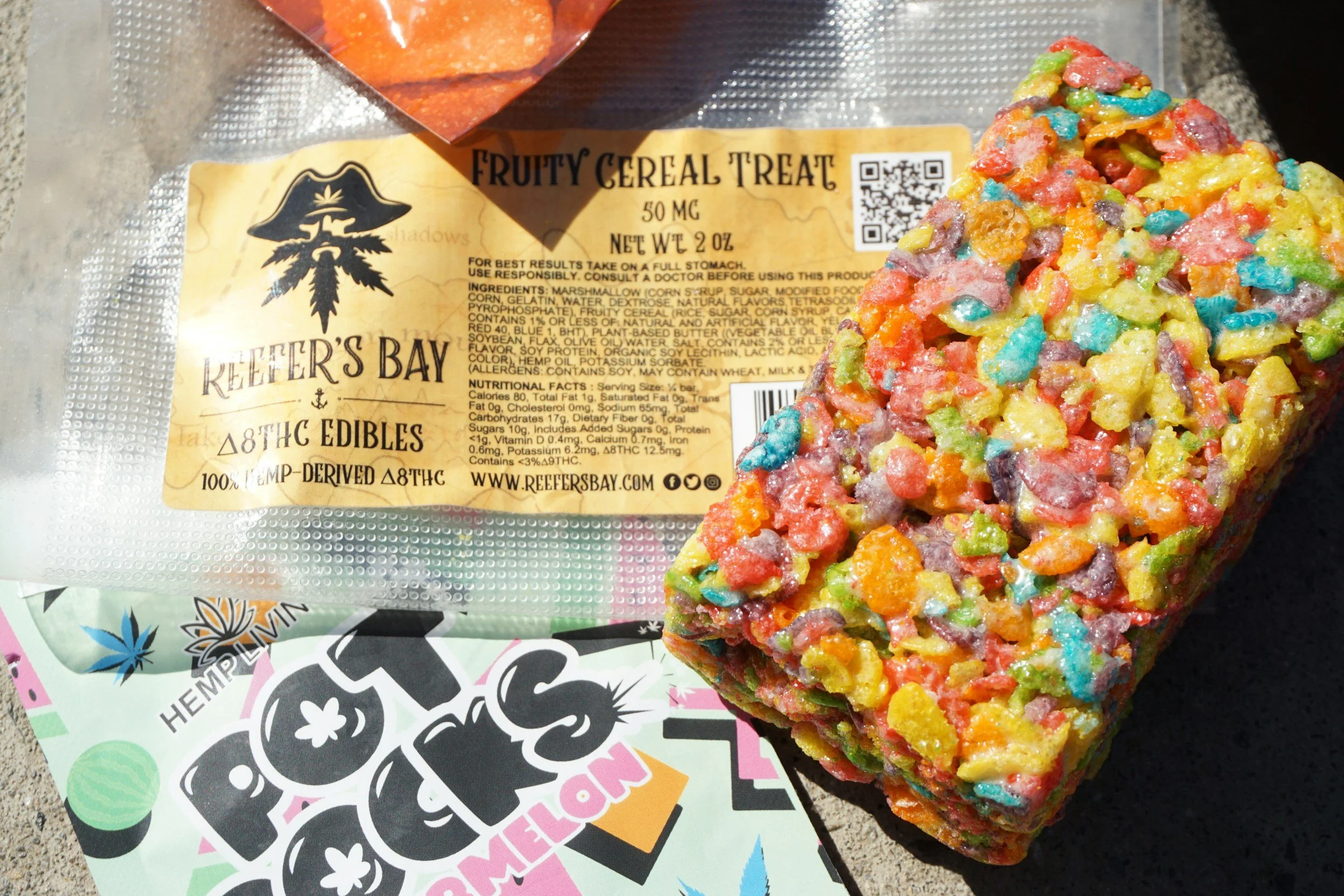
Like tobacco in previous generations, cannabis marketing has often used flavors, packaging, and social media-friendly branding that appeal to younger audiences. Products are designed in ways that can feel familiar, accessible, and low-risk to teens.
AT 17 XANDER TOLD ME ‘MOM–THE FIRST TIME I SMOKED WEED I DIDN’T HURT INSIDE. I JUST WANTED TO BE A NORMAL TEENAGER.’ HE FOUND A WAY TO EASE HIS PAIN.
TORI KROPP, PARENT OF XANDER, WHO DIED OF A FENTANYL POISONING

What the Science Says
The Latest Research (in plain language)
Two landmark studies published in 2025 and 2026 have reshaped what we know about cannabis and adolescent health. The numbers are striking, and they come from research conducted right here in California.



1 Kaiser Permanente / JAMA Health Forum, Feb 2026 — 463,000 teens followed from ages 13–26
2 ABCD Study, UC San Diego / Neuropsychopharmacology, April 2026
Why Do These Studies Matter?
Previous research often couldn't separate cause from effect — did cannabis cause mental health problems, or did teens with emerging mental illness turn to cannabis? The 2026 Kaiser study specifically excluded teens who had any mental health symptoms before using cannabis, making the link even clearer.
FURTHER READING
Articles Worth Reading
Whether you're looking for the latest science, advice on starting the conversation or perspective from local, these resources are a good place to start.
-
![]()
A Young Person’s Perspective on Latest Cannabis Research Findings
by Savannah Behr (College Intern)
A new study found that cannabis use doubles adolescents’ risk of bipolar and psychotic disorders, and significantly increases their risk of developing anxiety and depression. It’s no secret that teens in Marin County use cannabis at an alarming rate. I should know, years ago I was one of them. -
![]()
The Teen Weed Crisis: What Parents in Marin Need to Know
SEPT. 2025
Seeing cannabis posts from friends made teens 235% more likely to start using within the year, a bigger influence than social media influencers (114%) and far beyond anything celebrities post. -
![]()
Edibles Reshape Marin's Weed Culture
MARCH 2025
In many cases, parents in Marin using edibles has led to a more permissive attitude towards cannabis use. With parents replacing nightly glasses of wine with an edible or giving their kids access to their stash, many families are under the impression that weed is a safer alternative to other options. -
![]()
Cannabis storefronts and Youth: What The Evidence Shows
MAY 2026
In the 8 years since the first recreational cannabis storefront opened in California, we have seen a dramatic change in cannabis products and their impact.


MYTH BUSTERS
Exploring Common Misconceptions About Weed
There are so many misconception about cannabis that it can be hard to know what’s real. These myth busters were designed to help you to make sense of the misconceptions and respond with facts, whether you’re talking to a teen or another parent.
-
Today's cannabis has been selectively bred to maximize THC. Concentrates can reach 95% THC, a far cry from the plant and from what was around when 15/20/30/50 years ago! "Natural" doesn't mean safe, especially for a developing brain.
-
FACT: About 1 in 6 teens who use cannabis will develop a Cannabis Use Disorder. That rate is higher than for teens who start with alcohol. Daily use dramatically increases risk.
-
FACT: Legal for adults over 21, not for anyone under 21 in any U.S. state. Legalization reflects adult policy decisions — it doesn't reflect safety for adolescent brains still in development.
-
FACT: Vape cartridges often contain highly concentrated THC — sometimes 80–90%. Teens using them may be getting much larger doses than they realize, with no regulation on purity or additives.
-
FACT: Research shows the mental health risks don't fade when use stops. The 2026 Kaiser Permanente study found elevated risks for psychotic and bipolar disorders persisted well into young adulthood — on average, psychiatric diagnoses followed cannabis use by 1.7 to 2.3 years. For teens whose brains are still developing, the window of vulnerability is longer than most people assume.
CONVERSATION STARTERS
Scripts For Real Moments
You don't need a perfect speech, just a starting point. These talking points are designed to open dialogue about weed, not close it down. Pick the one that fits where you are right now.
-
Opening the conversation with a teen who hasn't mentioned cannabis.
"I've been reading about some new research on cannabis and I wanted to share it with you — not to lecture you, but because I think you'd want to know. Can I tell you what I found?"
"I know you're probably hearing a lot of different things about weed — from friends, online, wherever. I want to make sure you have accurate information too. Is that okay?"Tip: Teens are more receptive when they feel their autonomy is respected. Avoid ultimatums in the first conversation.
-
Responding to perceived peer pressure without dismissing it.
"I hear you. It probably does feel that way. But I'd love for you to make your own call on this, not just go along with the crowd. What do you actually think about it?""The research shows that regular use really does affect how the brain develops, especially for teens. I want you to have that information so the decision is actually yours."
Tip: teens are more receptive when they feel their autonomy is respected. Avoid ultimatums in the first conversation. -
Staying calm and keeping the door open.
"I'm not here to punish you or get you in trouble. I just care about what's happening with you. Can you help me understand what's going on?"
"I'd rather you tell me what's actually going on in your life than feel like you have to hide things from me. I'm on your side."Tip: if your teen is using cannabis to manage anxiety, pain, or stress, that's important to understand. Addressing the underlying need is often more effective than addressing the behavior alone.
NAVIGATE FROM HERE