SUBSTANCES

NICOTINE
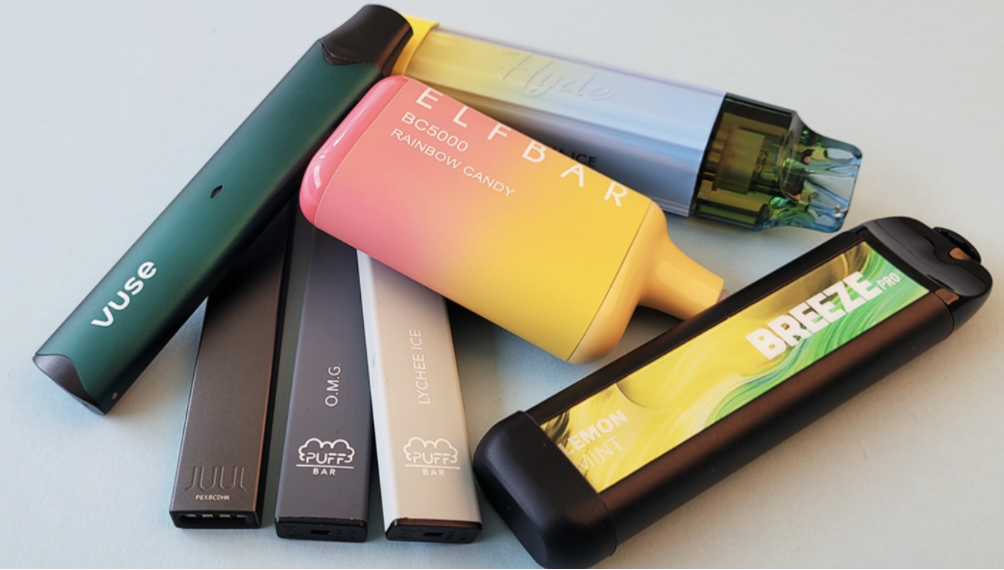
High Risk, New Forms, Same AddictionNicotine today looks nothing like the cigarettes many of us grew up with. Flavored vapes, sleek disposables, and discreet pouches make it easier to hide, easier to access, and harder to recognize, yet they still deliver a highly addictive drug to a still-developing brain. This section is here to help you understand what's out there so you can talk about it with confidence, one conversation at a time.
What The Deal With Nicotine Today?
A New Landscape
A POPULAR E-CIGARETTE CALLED AN ‘ELF BAR’ CAN CONTAIN NICOTINE AMOUNTS THAT EQUAL 590 CIGARETTES IN A SINGLE BAR

What the Science Says
The Latest Research (in plain language)
The research on nicotine and the adolescent brain is clear, even as the products keep changing. These studies look at how nicotine shapes attention, mood, and addiction during the teen years, and why a brain that's still developing is so much more likely to get hooked, and stay hooked.


FURTHER READING
Articles Worth Reading
Nicotine marketing moves fast, and much of it is built to reach teens long before parents know the product exists. These articles break down what's actually happening, from social media campaigns to the truth about vapes, to what’s happening in Marin.
-
![]()
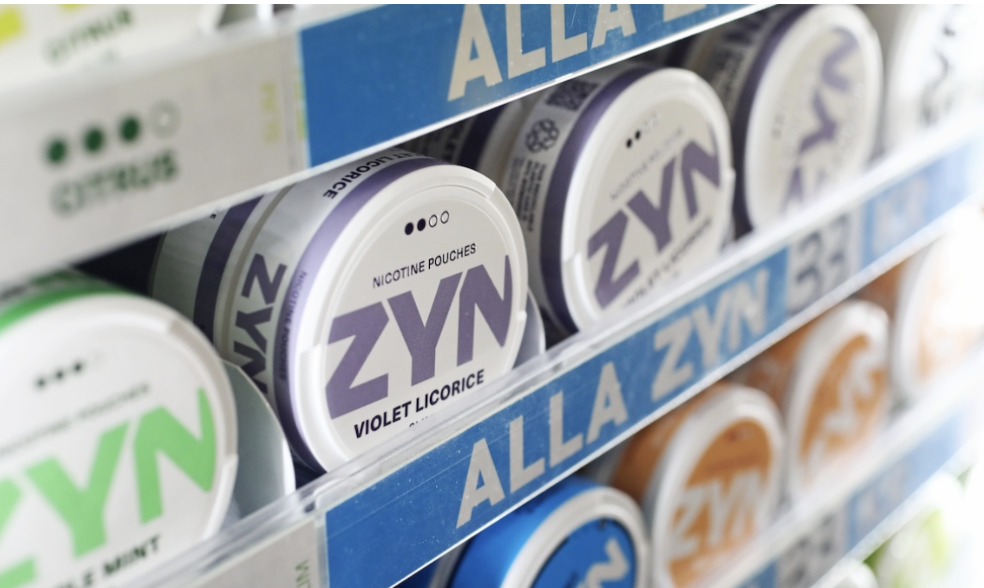
How ZYN's Social Media Strategy is Driving Teen Nicotine Addiction
-
![]()
The Truth About E-Cigarettes
-
![]()
Helping Kids Stay Substance-Free This Summer

MYTH BUSTERS
Exploring Common Misconceptions About Nicotine
There are so many misconceptions about nicotine that it can be hard to know what's real, especially now that vapes and pouches have changed the whole picture. These myth busters are here to help you separate fact from fiction and respond with confidence, whether you're talking to a teen or another parent.
CONVERSATION STARTERS
Scripts For Real Moments
You don't need a perfect speech, just a starting point. These talking points are designed to open up conversation about vaping and nicotine, not shut it down. Pick the one that fits where you are right now.
Explore More Substances
Every substance affects a developing brain differently. Choose one below for clear, honest information and ways to start the conversation.
Looking for More Than Substances?
Come explore the rest — adolescent development, mental health, elementary-age guidance, and simple things you can do as a parent are all here waiting for you. Wherever you are in this journey, there's something to help you feel a little more ready.